
Smiles are magical, I think. And, they’re contagious, too…

When someone smiles at you, don’t you just automatically want to smile back?
A smile can soften a heart, lift a person’s spirit, and/or trigger some actual good will toward our fellow man.

Take a baby’s smile, for instance. Don’t we get all mushy inside, and feel the sudden urge to speak babyeese… was dat a smile, awwww, you widdle fuzzy wuzzy bundle of bootiful awesomesauceness… hey, don’t judge me! I can’t help it!
The world is filled with all differing types of magical smiles, babies obviously being the best and most effective in brightening ones day. But, one must appreciate the value and magic of all the other differing smiles out there, as well…

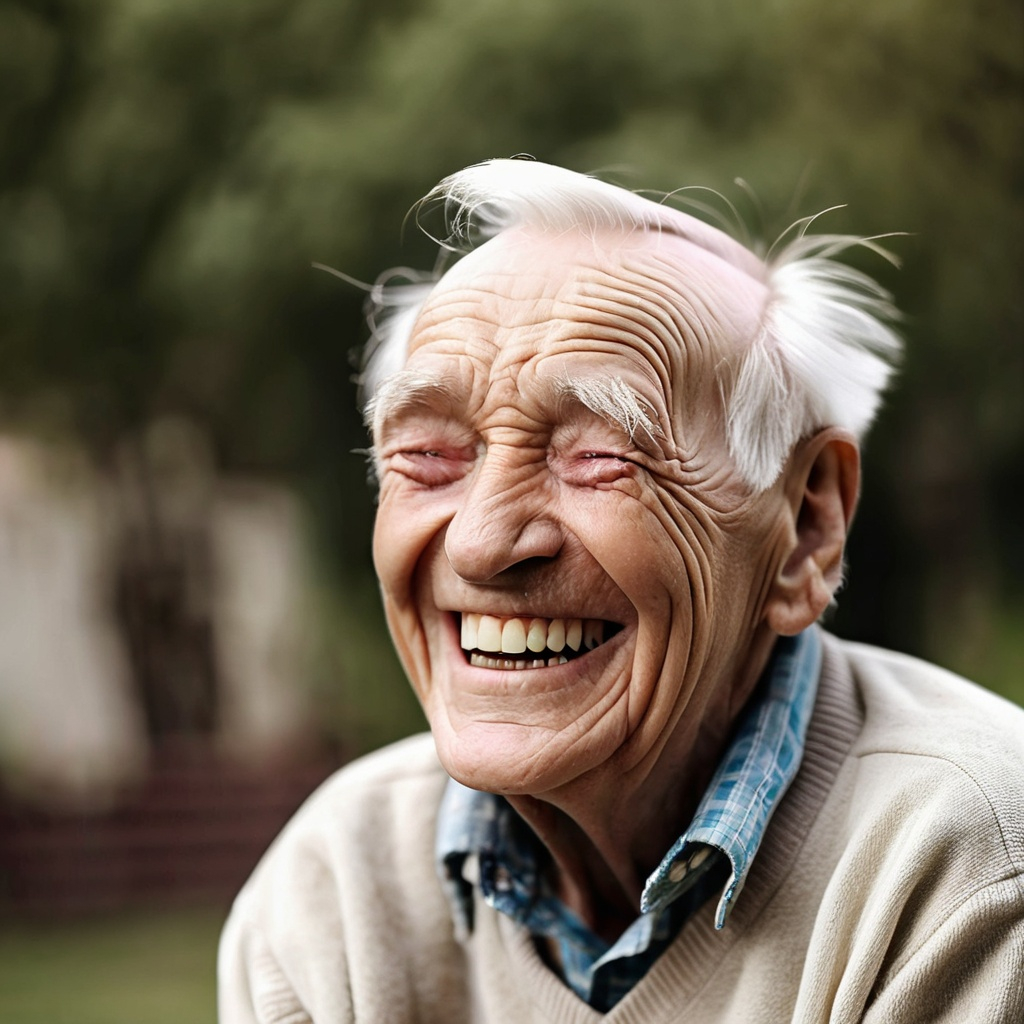
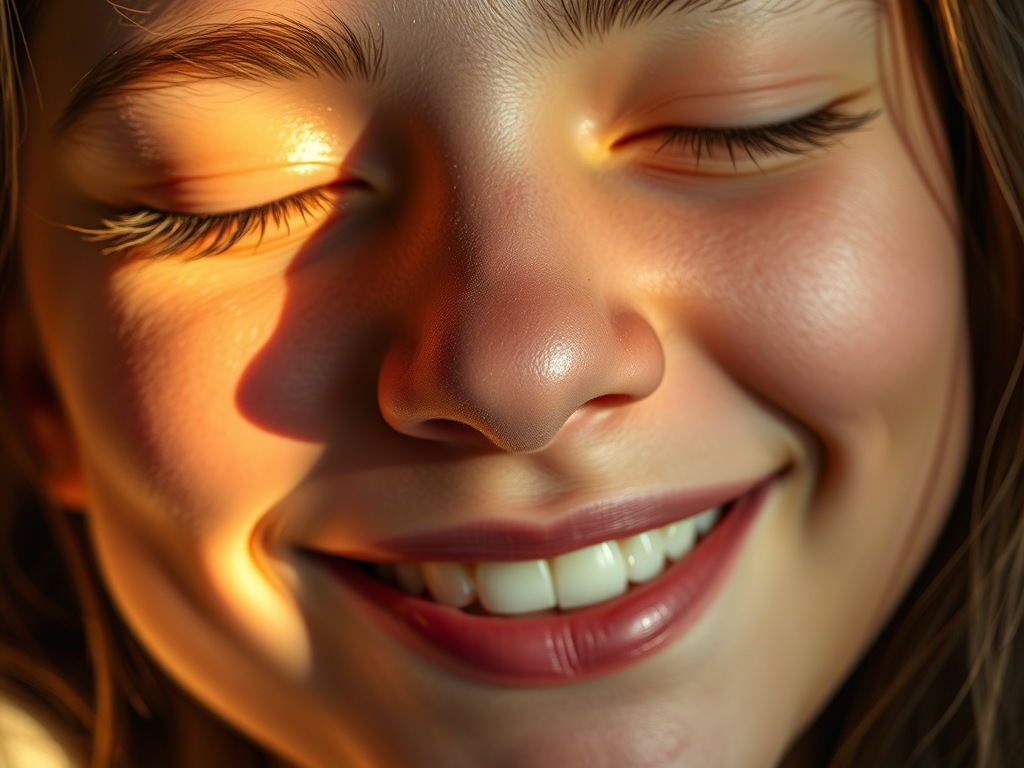
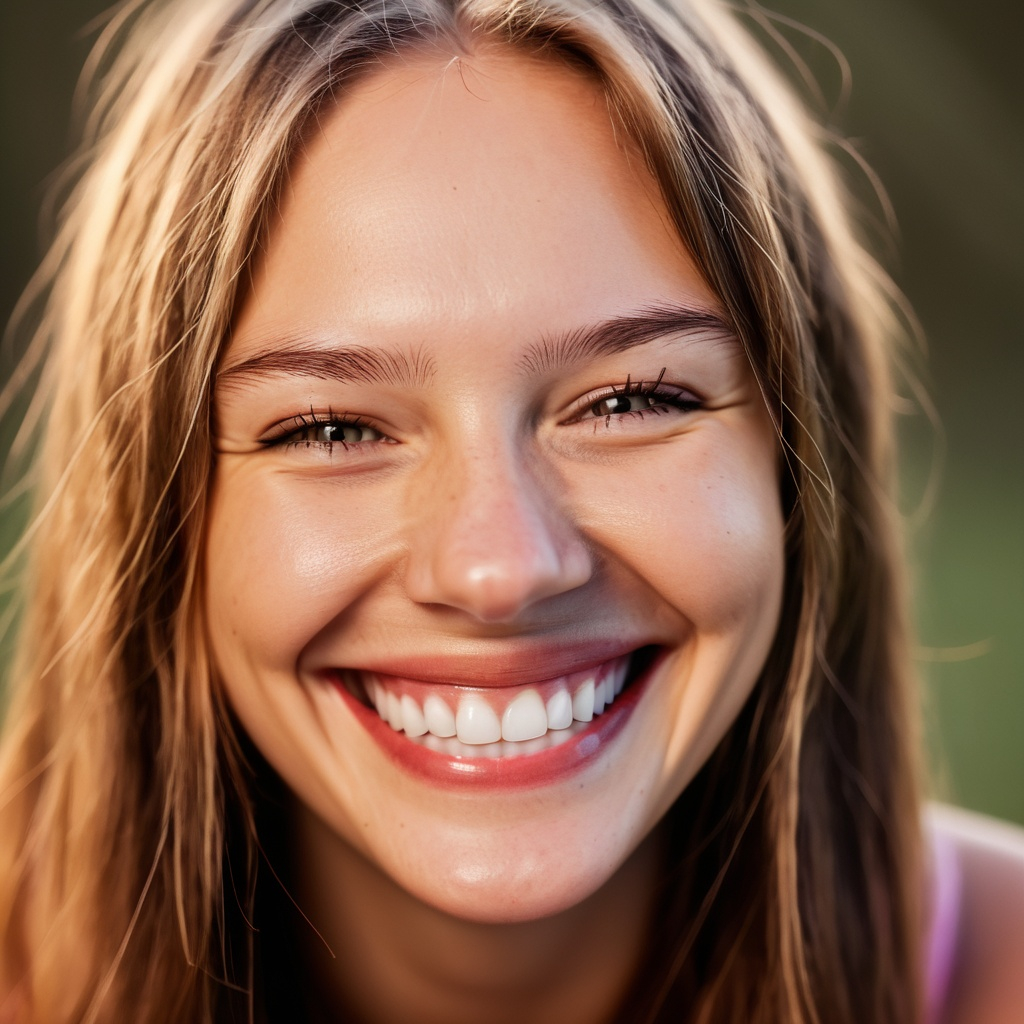
Smiles are actually pretty important, as studies have shown how smiling affects ones health, and state of mind. It’s a real scientific thingie, I swear. I even googled it, to make sure that I did not mislead you in any way.
I typed in “what is the science behind a smile”, and this was googles reply:
The science behind smiling involves a positive feedback loop between facial muscles and brain chemistry, where contracting muscles (like the zygomatic major for mouth corners and orbicularis oculi for eye crinkles) trigger the release of mood-boosting neurotransmitters like dopamine, endorphins, and serotonin, reducing stress and enhancing happiness. This “fake it ’til you make it” effect means even a forced smile can make you feel better, while genuine smiles (Duchenne smiles) signal authentic joy and foster connection, improving well-being and perceived attractiveness.
How it works: The Muscle-Brain Connection
- Sensory Input: Emotional data from experiences (seeing a friend, hearing good news) travels to the brain.
Muscle Activation: Specific facial muscles contract: the zygomatic major pulls lips up, and the orbicularis oculi creates crow’s feet around the eyes.
Brain Response: These muscle contractions send signals back to the brain, activating the reward system.
Neurotransmitter Release: The brain releases feel-good chemicals:
- Dopamine: Boosts pleasure and motivation.
Endorphins: Act as natural pain relievers and mood elevators. Serotonin: Functions as a natural antidepressant, lifting mood.
Types of Smiles
- Social Smile: Involves only the mouth muscles (zygomatic major) and is used for politeness or social cues.
- Genuine Smile (Duchenne Smile): Involves both mouth muscles and the orbicularis oculi, creating eye crinkles, signaling authentic happiness.
Benefits of Smiling
- Reduces Stress: Neuropeptides activated by smiling help combat stress.
- Boosts Mood: The release of endorphins and serotonin creates genuine feelings of happiness.
- Improves Physical Health: Linked to lower blood pressure and enhanced immune function, notes XceptionalLEARNING.
Increases Attractiveness & Trust: Smiling people are often seen as more reliable, sincere, and attractive, enhancing social interactions.

I challenge you to count your smiles this weekend. It’s merely an exercise, meant to show how many times you do smile, as well as, how many opportunities you’re given to intentionally smile at someone… remember, this is only an experiment. You don’t even have to tell anyone you’re doing it. Call it an exercise for health and wellness.
Whatever you do this weekend, remember how loved you are… that should help with the smile thing.
 Journey With Me!
Great reminder! Baby smiles are the best!
LikeLike
Smiles are being counted, best efforts are on, and sending a big hug! 🙏🙏🙏
LikeLiked by 2 people
I’m smiling right now reading your post! Thank you for this reminder.
LikeLiked by 2 people
You’ve a beautiful smile, Heather. It makes your eyes sparkle… hugs
LikeLiked by 1 person
When I was younger, my teenagers, and even my early 20s, I didn’t smile much because I thought it was insincere. Also, I felt like if I was trying too hard to look like I was smiling, it might look creepy.
But as I’ve gotten older, particularly after becoming a parent, I learned that smiles are absolutely contagious. When a person smiles at me, it’s almost instinctive that I smile back. And it really does make you feel better. I’m a full believer in the idea of “until you make it“. If you feel bad, smile at people. Pretty soon you’ll start to believe you feel good yourself. Before you know it, you actually do feel better.
LikeLiked by 2 people
*teenage years
LikeLiked by 1 person
exactly! Right you are, love… hugs
LikeLiked by 1 person
Smiles feel great when they’re given. It also when they’re gotten!
LikeLiked by 1 person
quite true, my friend..
LikeLike