
Shhhhhhh… we’re about to enter the silent letter section of the library. There’s a number of hidden letters out there, just hoping to be found. I know this because I’ve been searching them out.
Why would be the first operative question!
When it comes to sneaky letters hiding in plain sight, I’ve been wracking my brain trying to understand the reasoning for this odd addition to the English language. If you wanted to be hidden, fine, but then why keep peeking out of words that didn’t need you there, in the first place?
Here we come Mr. McGoogle, so make us proud…
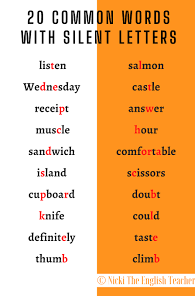
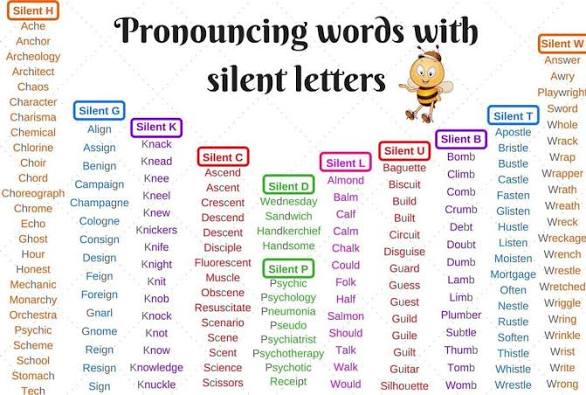
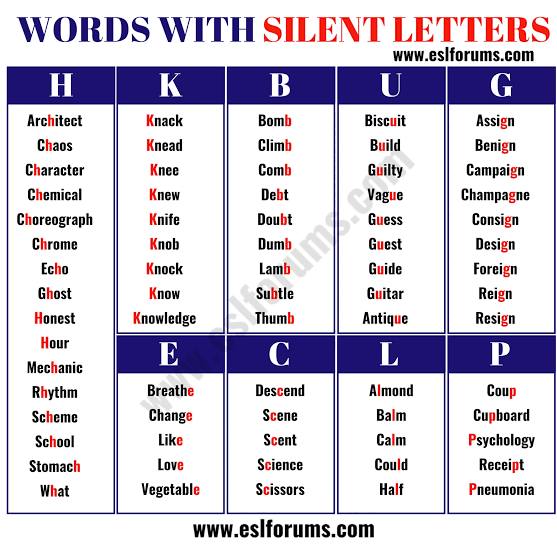
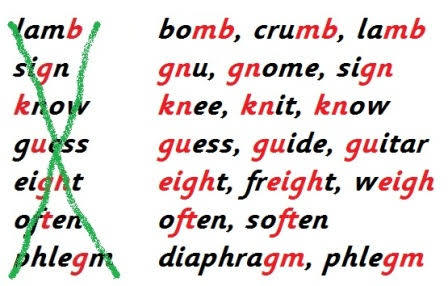
Silent letters are letters in English words that are written but not pronounced, appearing in roughly 60% of English words. They exist due to historical pronunciation changes, etymology, or to differentiate homophones. Common silent letters include b (climb), k (knee), w (write), h (hour), and t (listen), occurring at the beginning, middle, or end of words.
Wow!
Ok Mr. McGoogle, you didn’t have to do us that proud, really!
Oddly, I didn’t actually know that these silent letter words made up 60% of all English words. It’s rather embarrassing, if you think about it. Here we are, thinking we are so smart, but we still use silent letters like a salt shaker. Now my brain hurts.
So, if these letters aren’t needed, I wanted to know what the purpose was for adding them, so long ago.
Come on… let’s ask!
AI Overview
Silent letters exist primarily because English spelling was standardized before pronunciation changed, and because of efforts to reflect words’ original Latin, Greek, or French roots. They help distinguish homophones (e.g., knights vs. nights), indicate long vowels (e.g., rate vs. rat), and remain as remnants of older, fully pronounced words.
Key reasons for silent letters: Etymology & History: Many letters were originally pronounced. For example, knee was pronounced with a hard ‘k’ in Old English, a practice that disappeared over time, but the spelling remained.
- Renaisance Spelling Changes: Scholars often added letters to words to make them look more like their Latin or Greek origins, such as adding a ‘b’ to debt and doubt to match the Latin debitum and dubitare.
- French Influence: Following the Norman Conquest, French scribes altered English spelling, which brought in silent letters.
- Homophones: Silent letters help differentiate words that sound the same, such as “in” and “inn,” or “so” and “sew”.
- Print Standardization: Early printing presses froze spellings, which meant older, non-phonetic spellings were locked in even as pronunciation continued to evolve.
These seemingly useless letters often provide clues to the history and meaning of a word, even if they no longer correspond to a sound in modern English.
Well, I guess if you want to give such a smart answer, Mr. McGoogle, fine! But you could have led with this explanation, in the first place. Maybe it’s my fault, as I should have asked this question first.
So, I’m going to give this rule a free ride, due to the answer given.
I can’t really argue with logic like this, so we’ll accept it as a valid answer to my queries, just this once. I don’t even have a snappy retort, or witty statement that might undermine such reasonings.
However, I will say that we already knew about Homophones from last week, so there’s that!
 Journey With Me!
people talk in the library. in church. arrrrrrrrrrgh!
LikeLike